Bespoke Themes
Create a brand-specific customer experience instead of forcing the business into a marketplace template.
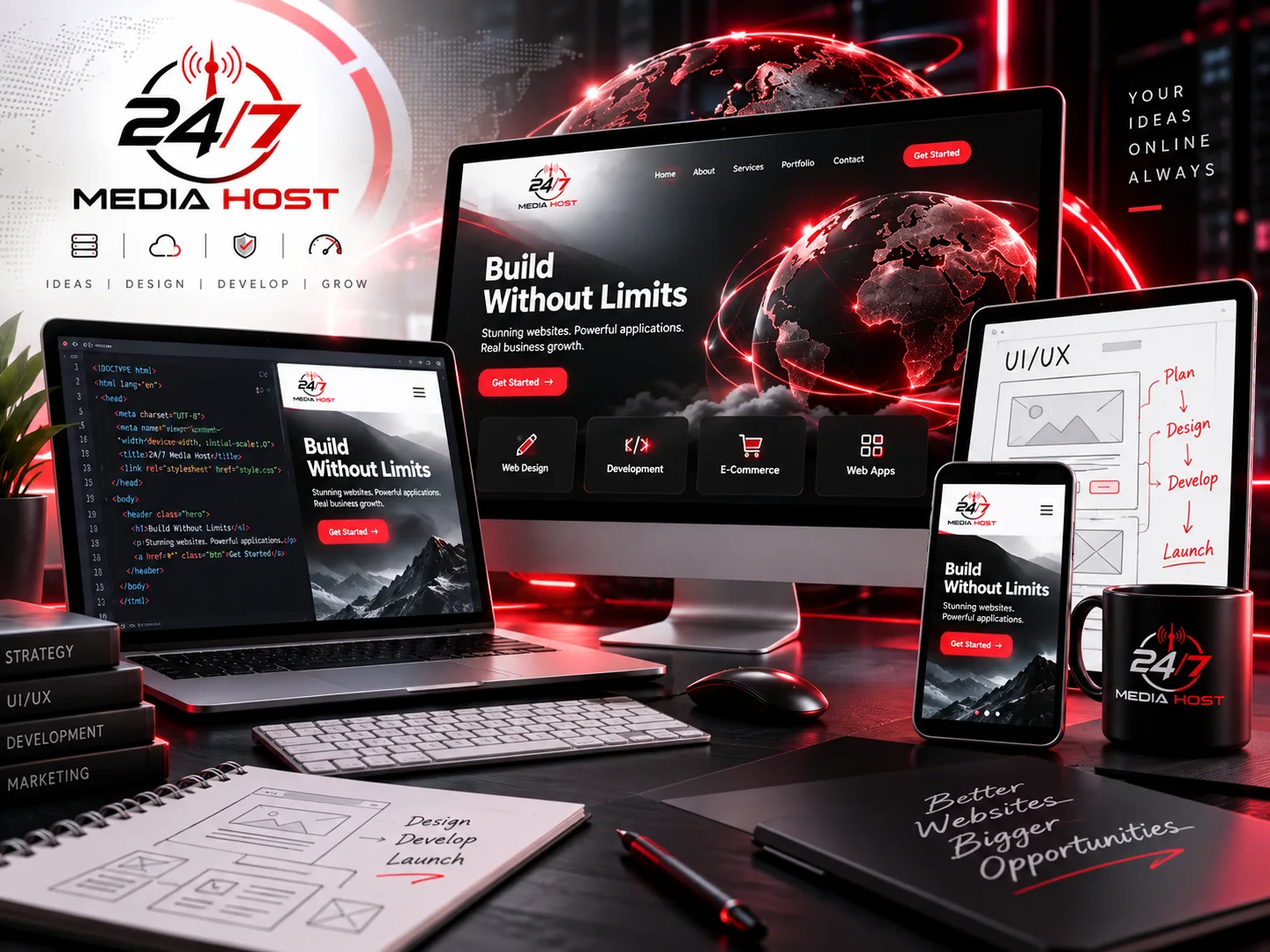
Bespoke WordPress development, WooCommerce and performance engineering built for cPanel and LiteSpeed environments instead of assembled from dozens of overlapping plugins.
Our builds can work directly with cPanel, PHP, MySQL, WP-CLI where available and LiteSpeed Cache. Custom code is used when it gives the site a cleaner, safer or more maintainable solution than stacking another generic plugin onto the project.
Bespoke themes, custom plugins, WooCommerce, integrations and LiteSpeed optimisation create a WordPress environment that looks distinctive and remains easier to manage as requirements grow.
Explore WordPress Services →Practical technology choices, clear boundaries and a deployment model designed for maintainability.
Create a brand-specific customer experience instead of forcing the business into a marketplace template.
Build purpose-specific WordPress functionality for workflows that generic plugins do not solve cleanly.
Configure product, checkout and operational ecommerce workflows around the actual business.
Tune caching, assets and compatible optimisation options for LiteSpeed hosting environments.
Use staging, database, files, PHP and SSL controls in a familiar hosting workflow.
Reduce unnecessary attack surface and keep themes/plugins/runtime maintained and correctly configured.
Three clear tiers with room to grow. Final scope can be adjusted for resource, integration and support requirements.
A clean, fast WordPress foundation for businesses that have outgrown generic DIY builds.
Bespoke design and custom functionality for ecommerce and more demanding websites.
Advanced WordPress architecture for high-value commerce and custom business workflows.
The exact workflow varies by service, but every engagement follows the same operating discipline.
Confirm goals, constraints, integrations and access.
Provision infrastructure, create assets or implement the agreed technical work.
Validate responsive behaviour, integrations, permissions and production configuration.
Deploy, monitor the initial result and scale the service when demand grows.
WordPress Without the Plugin Pile-Up. The service needs to deliver value after the first order, migration or launch — not just look good on a pricing page. Our builds can work directly with cPanel, PHP, MySQL, WP-CLI where available and LiteSpeed Cache. Custom code is used when it gives the site a cleaner, safer or more maintainable solution than stacking another generic plugin onto the project. Development decisions are made with the production environment in mind. Responsive UI, PHP/application runtime, databases, APIs, caching, deployment, security and future maintenance are considered together. This prevents a design from becoming beautiful but impossible to operate, and it prevents custom software from becoming a black box that the business cannot confidently maintain or extend.
The right starting point is the smallest configuration that comfortably satisfies the real workload, support expectation and growth path. That makes performance easier to understand and avoids paying for complexity that has not earned its place. During scoping we look at existing traffic or audience, storage, integrations, content workflows, administrator access, expected launch dates and any business-critical dependencies. If a migration is involved, the current environment is part of the design because DNS, email, databases, media libraries, redirects and external APIs can all affect a clean cutover.
Each package is a clear starting point, with larger or more specialised requirements scoped openly when the workload needs more. Published allocations describe the normal service level, while unusual resource, compliance, integration or support requirements can be quoted separately. This is especially important for media and custom-development workloads where bandwidth, concurrency or external API usage can change the shape of the solution quickly.
Fast does not mean adding the word “performance” to a pricing card. We look for evidence. For hosting that can mean server response, cache behaviour, PHP/application compatibility, database pressure, storage I/O and real visitor experience. For streaming it means stable ingest, appropriate bitrate, listener or viewer delivery and a player that works outside the administrator dashboard. For marketing it means qualified traffic, conversion events and commercial outcomes. For development it means responsive interactions, clean error handling and a production stack that remains maintainable.
The same principle applies when something slows down. Rather than changing several settings at once, identify the constrained layer and test again after each meaningful change. This approach makes upgrades more useful because additional resources are added for a reason rather than as a substitute for diagnosis.
Every digital service eventually depends on credentials and data. Production work should use the minimum permissions required for the task, supported software versions, HTTPS/TLS where appropriate and a known backup or rollback path before significant change. Administrator accounts should be attributable to people or systems, not passed around as shared credentials. Secrets such as API tokens, stream keys and database passwords should be kept out of public content and shared only through appropriate secure channels.
Backups are only valuable when the restore path is understood. A website may need both files and a database; a stream may also need media, schedules and panel configuration; a custom application may depend on environment values, cron jobs and external services. Recovery planning therefore follows the actual architecture rather than assuming a single download button captures everything.
24/7 Media Host is designed around commonly understood technologies and clean handoffs. Where cPanel is the right control layer, customers keep a familiar interface for files, email, SSL, databases and DNS. Where a specialist panel is more appropriate, it manages the specialist job. APIs and webhooks are used when systems genuinely need to exchange data. The goal is not to make every component identical; it is to make the whole system understandable.
This also supports future migration. Domains, content, databases and standards-based integrations should remain portable enough that a change in scale or platform does not require starting again. Some third-party services will always have their own limits and policies, but the surrounding architecture can still be designed to reduce unnecessary dependency.
Launch day is one checkpoint. The stronger question is what happens when the audience grows, a new member joins the team, a campaign drives a traffic spike, a second station or application is introduced, or an integration changes its API. Good architecture leaves room for those events without requiring the business to rebuild every layer at once.
That is why each WordPress Development package includes a clear upgrade path and why related services are connected across the site. Hosting can lead naturally into development and SEO; streaming can connect to websites, apps and social growth; software can connect to managed infrastructure and operational support. Start with the service you need now, document it properly, measure what happens in production and expand the parts that prove their value.
Our Knowledgebase includes detailed cPanel, AzuraCast, VDO Panel, Linux VPS, WordPress and technical SEO guides. Learn the workflow, verify the result and move to managed help when you need it.
Browse Self-Help Guides →
The implementation approach depends on the project, but the priority is maintainable performance rather than adding unnecessary builder overhead.
Yes. Purpose-built plugin development is available for workflows that need custom WordPress functionality.
Yes. Performance work can include LiteSpeed Cache, plugin review, database cleanup and frontend optimisation depending on the environment.
Combine bespoke design, cleaner functionality and LiteSpeed-aware performance engineering on a platform your team can still operate easily.